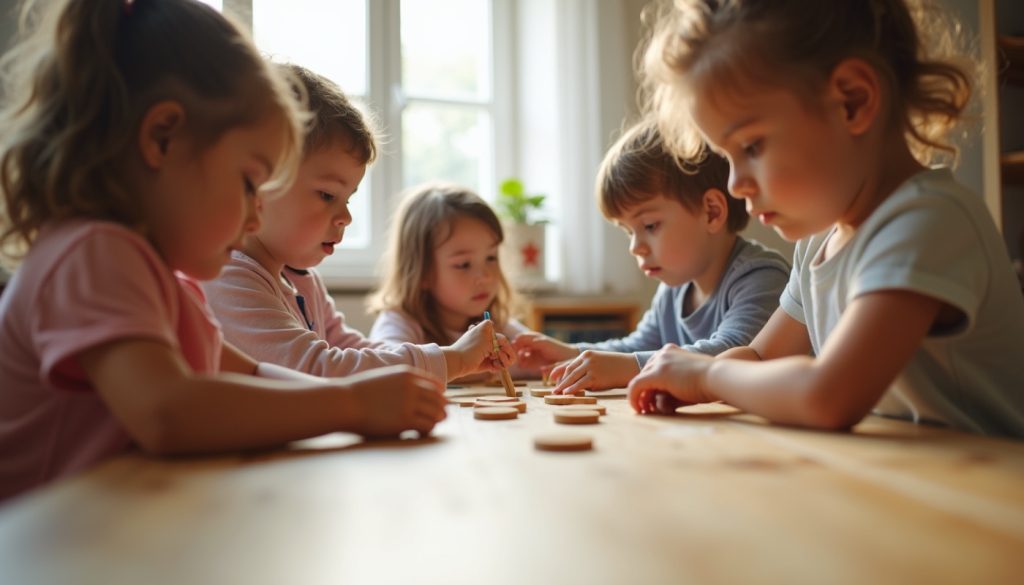


In today’s fast-paced world, parents often seek effective ways to nurture their children’s growth and development. The Montessori method offers a unique approach that emphasizes independence, respect, and a love for learning. For Greek and Italian families, integrating Montessori principles can be both enriching and culturally relevant. This blog post will explore practical tips to empower parents in these communities, helping them create a nurturing environment for their children.
Understanding the Montessori Method
The Montessori method, developed by Dr. Maria Montessori, is based on the idea that children learn best in a prepared environment. This approach encourages self-directed activity, hands-on learning, and collaborative play.
Key Principles of Montessori
- Child-Centered Learning: The focus is on the child’s interests and needs.
- Prepared Environment: Spaces are designed to be accessible and engaging for children.
- Respect for the Child: Each child is seen as an individual with unique abilities.
- Hands-On Learning: Children learn through exploration and discovery.
By understanding these principles, Greek and Italian families can adapt Montessori techniques to fit their cultural values and family dynamics.
Creating a Montessori Environment at Home
Setting up a Montessori-inspired space at home is essential for fostering independence and curiosity. Here are some practical tips:
Designate Learning Areas
Create specific areas in your home for different activities. For example:
- Reading Nook: A cozy corner with books in Greek or Italian can encourage a love for reading.
- Art Station: Provide materials for drawing, painting, and crafting. Use natural materials like clay or recycled items.
- Practical Life Area: Include tools for cooking, cleaning, and gardening. This helps children learn essential life skills.
Use Child-Sized Furniture
Invest in furniture that is appropriate for your child’s size. This allows them to access materials independently.
- Tables and Chairs: Choose lightweight, easy-to-move furniture.
- Shelves: Low shelves make it easy for children to reach their toys and books.
Incorporate Cultural Elements
Integrate Greek and Italian culture into your Montessori environment.
- Language: Label items in both languages to promote bilingualism.
- Traditions: Include activities related to cultural celebrations, such as making traditional dishes together.
Encouraging Independence
One of the core tenets of the Montessori method is fostering independence. Here are some strategies to help your child become more self-sufficient:
Allow Choices
Give your child the freedom to choose their activities. This empowers them and encourages decision-making skills.
- Daily Routines: Let them decide what to wear or what to eat for breakfast.
- Activity Selection: Offer a few options for playtime and let them choose.
Encourage Problem-Solving
Instead of immediately stepping in to help, encourage your child to find solutions on their own.
- Ask Questions: Instead of providing answers, ask guiding questions to help them think critically.
- Provide Tools: Ensure they have the necessary tools to solve problems, whether it’s a puzzle or a cooking task.
Celebrate Efforts
Acknowledge your child’s efforts, not just their successes. This builds confidence and resilience.
- Positive Reinforcement: Use phrases like “I noticed how hard you worked on that” to encourage persistence.
- Celebrate Mistakes: Teach them that mistakes are part of learning. Share stories from your own life where you learned from errors.
Fostering a Love for Learning
To cultivate a lifelong love for learning, parents can implement various strategies that align with Montessori principles.
Follow the Child’s Interests
Observe what excites your child and provide resources related to those interests.
- Nature Exploration: If they love nature, take them on walks to explore local parks or gardens.
- Cultural Activities: Engage in activities that reflect your heritage, such as cooking traditional meals or attending cultural festivals.
Encourage Exploration
Allow your child to explore their environment freely.
- Outdoor Play: Spend time outside, encouraging them to climb, run, and discover.
- Field Trips: Visit museums, historical sites, or local farms to broaden their horizons.
Integrate Learning into Daily Life
Make learning a part of everyday activities.
- Cooking Together: Use cooking as a way to teach measurements, counting, and following instructions.
- Shopping Trips: Involve them in grocery shopping, discussing prices, and making choices.
Building Community Connections
Montessori education thrives on community involvement. For Greek and Italian families, building connections can enhance the learning experience.
Join Local Groups
Look for local Montessori or parenting groups where you can share experiences and resources.
- Workshops: Attend workshops that focus on Montessori principles and parenting strategies.
- Playdates: Organize playdates with other families to foster social skills and community ties.
Share Cultural Experiences
Engage with other families to share cultural traditions and practices.
- Cultural Events: Participate in local festivals that celebrate Greek or Italian heritage.
- Storytelling Nights: Host evenings where families can share stories from their cultures.
Embracing the Journey
Parenting is a journey filled with challenges and joys. By embracing Montessori principles, Greek and Italian families can create a nurturing environment that fosters independence, curiosity, and a love for learning.
Be Patient
Change takes time. Be patient with yourself and your child as you implement these new strategies.
- Small Steps: Start with one or two changes and gradually incorporate more.
- Reflect: Take time to reflect on what works and what doesn’t, adjusting your approach as needed.
Stay Engaged
Stay involved in your child’s learning process.
- Ask Questions: Engage them in conversations about their day and what they learned.
- Participate: Join in their activities, showing that learning is a shared experience.
Celebrate Progress
Recognize and celebrate the small victories along the way.
- Family Celebrations: Create family traditions to celebrate achievements, big or small.
- Gratitude Practices: Encourage your child to express gratitude for their learning experiences.
A Bright Future Awaits
By integrating Montessori principles into daily life, Greek and Italian families can empower their children to become confident, independent learners. The journey may have its ups and downs, but the rewards are immeasurable.
As you embark on this path, remember that every small step counts. Celebrate your child’s unique journey and enjoy the beautiful moments of discovery together.